News
Baghdad – 29 June 2026
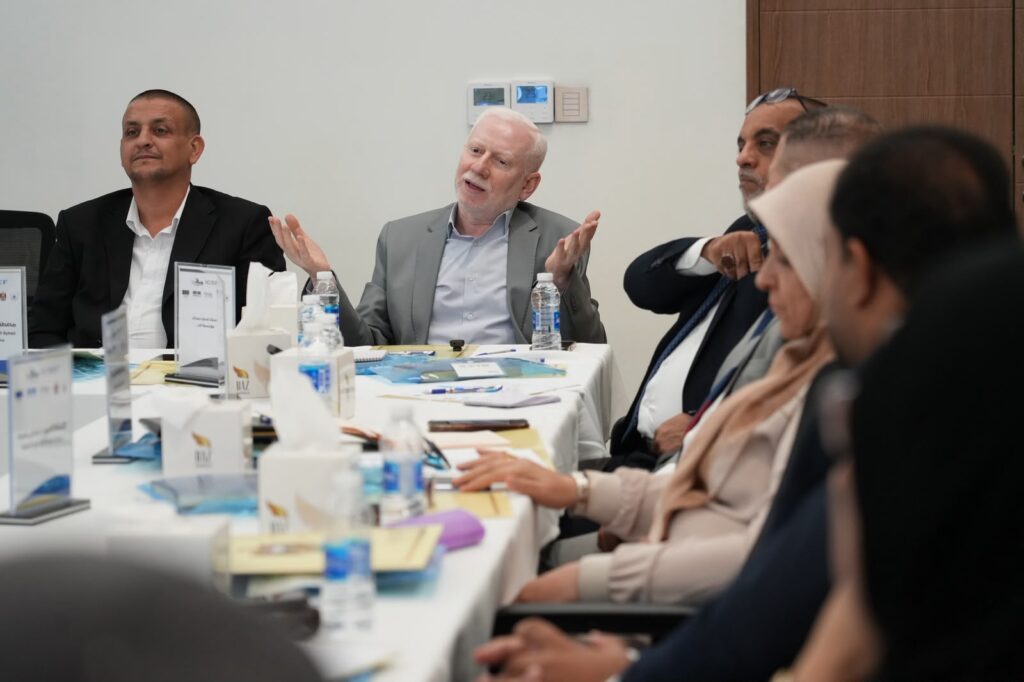
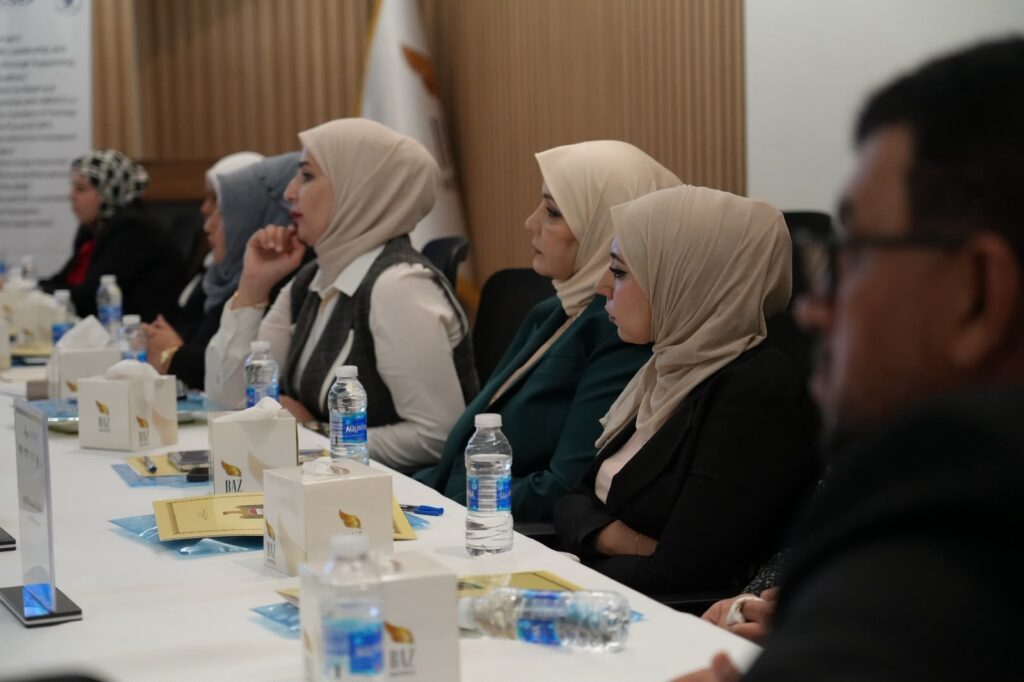
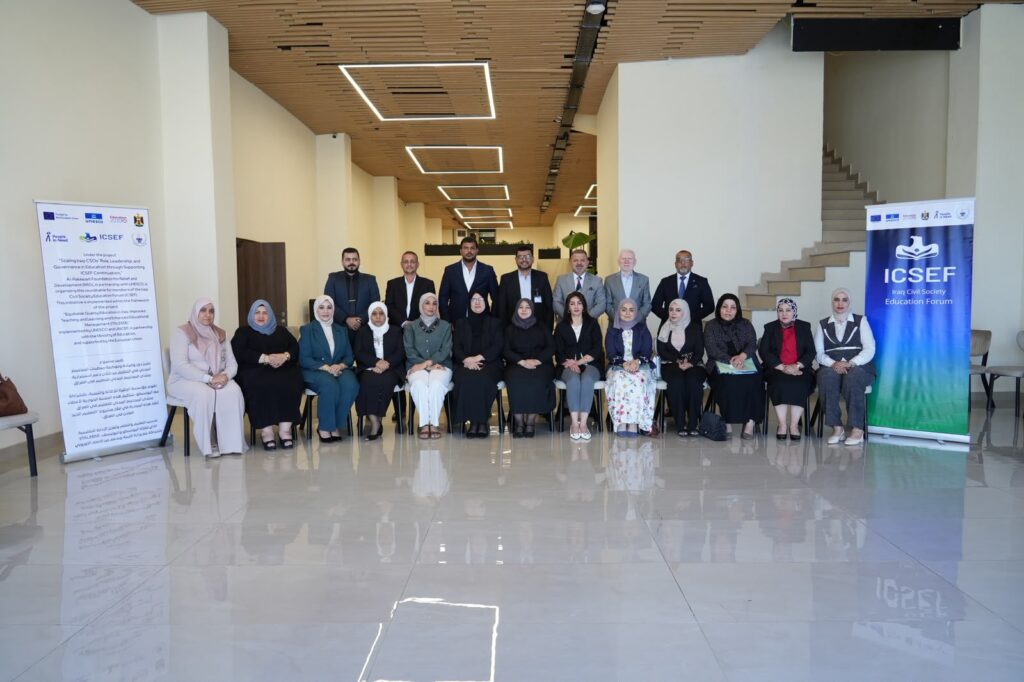
In a strategic step aimed at strengthening Iraq’s education system and expanding children’s access to quality learning opportunities from the earliest years of life, Al-Rakeezeh Relief and Development Foundation (RRD), in its capacity as Co-Chair of the Iraq Civil Society Education Forum (ICSEF), and in partnership with the UNESCO Office in Iraq, organized a high-level dialogue session entitled:
“The State of Early Childhood Care and Education in Iraq: Baghdad as a Case Study.”
The session was held in Baghdad as part of the Inclusive and Equitable Quality Education in Iraq (ITALEEM) project, funded by the European Union. It brought together representatives from the Ministry of Education, the Iraqi Teachers Syndicate, local and international civil society organizations, as well as a distinguished group of education professionals, academics, school principals, kindergarten directors, and specialists in early childhood development and education.
The discussion highlighted the critical role that early childhood plays in shaping children’s cognitive, social, and emotional development, recognizing it as one of the most influential stages in determining future educational outcomes and long-term human capital development.
Participants examined the main challenges, opportunities, and achievements related to the Early Childhood Care and Education (ECCE) sector in Iraq, with particular attention to issues of access to educational services, learning quality, school readiness, and disparities between urban and rural areas. The session also reviewed the ongoing efforts of the Ministry of Education and national and international partners to strengthen this vital sector and accelerate progress.
Furthermore, the dialogue served as a platform for knowledge exchange and collaboration among governmental institutions, civil society organizations, and international partners, with the aim of developing evidence-based recommendations and shared policy perspectives to improve early childhood outcomes across Iraq.
The meeting concluded with a set of practical recommendations aimed at creating transformative improvements in the lives of Iraqi children, including:
- Expanding the implementation of compulsory pre-primary education and increasing budget allocations to the Ministry of Education within the national budget framework.
- Developing specialized curricula and educational programmes tailored to children with disabilities and special educational needs, while strengthening inclusive education practices.
- Expanding training and capacity-building programmes for teachers and early childhood practitioners on modern pedagogical approaches and early identification of learning difficulties and developmental challenges.
- Adopting mobile learning kits as innovative solutions to support children living in rural, remote, and underserved communities lacking access to kindergartens and early learning facilities.
- Expanding child-friendly classrooms within public schools and ensuring that they are equipped with age-appropriate infrastructure and learning resources.
- Developing engaging and interactive digital content for children and enhancing parental awareness regarding school readiness and the family’s role in supporting child development through media campaigns and social media platforms.
The organizing partners confirmed that the outcomes of the session will be documented in a joint policy brief aimed at supporting decision-makers and providing evidence-based recommendations derived from dialogue and field experience, thereby contributing to the development of national policies related to Early Childhood Care and Education in Iraq.
This initiative reflects Al-Rakeezeh’s continued commitment to advocacy, policy engagement, and strengthening national and international partnerships, based on the conviction that investing in early childhood is an investment in Iraq’s future, and that ensuring every Iraqi child has access to quality early learning opportunities is fundamental to achieving sustainable development and building a more prosperous and equitable society.